
CC Image courtesy of Lane 4 Imaging on Flickr
As I look at pictures from the recent MLK memorial dedication, the 30 foot tall statue of Rev. Dr. Martin Luther King, Jr. seems larger than life. So it is with the notion of legacy, especially when you consider all that Dr. King accomplished before the age of 40.
Reflecting upon the lives of those who have made a notably “visible” impact in the world can be inspiring and overwhelming at the same time. Now that I’m forty-something, my perspective on legacy is being tested and is surely evolving in this season of my life. Anyone in any kind of leadership role knows the temptation to measure legacy by visibility.
Truth be told, Dr. King’s legacy was strengthened by many who were relatively less visible: Rosa Parks, Rev. Fred Shuttlesworth, Fannie Lou Hamer, and Ella Baker, to name a few. And even less visible: 21 teachers (my mother included) in Elloree, SC, who resigned rather than renounce their NAACP memberships.
Perhaps legacy begins when we act on opportunities to plant seeds of eternity along the way, wherever our journeys take us. A few months ago, I posted a blog in tribute to my father that spoke of his legacy in a metaphorical way. To be more concrete, I can say that my father modeled a willingness to question, intellectual curiosity, awareness of what’s going on in the world, not being caught up in popularity or pretension, and love of family and friends. Not that I’ve mastered these values by any means, but they serve as a compass for me nevertheless.
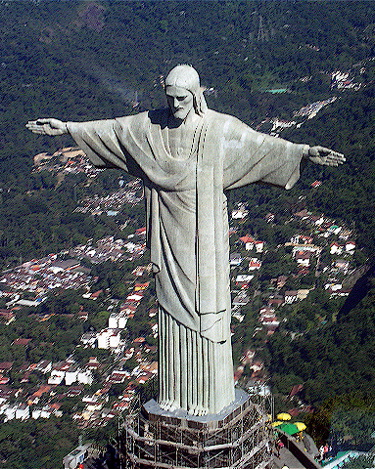
CC Image courtesy of VoiceBrazil on Flickr
As I’ve studied and taught on Luke’s account of the Gospel for the past few weeks, I am struck by Jesus’ willingness to become human in such an unassuming way. He could have simply showed up grown and regal, but chose another path, immersing Himself into the vulnerability of the human experience. Jesus did not shrink back from moving in visible ways or acknowledging His identity, but He did so on His own terms, leaving a legacy of love, redemption and empowerment for us to follow. While this legacy is also larger than life, it also transcends our limitations and shows us where to start: Love the Lord your God with all your heart and with all your soul and with all your mind. Love your neighbor as yourself. Act justly. Love mercy. Walk humbly with your God.
Your Call: If someone were commissioned to sculpt an image that represented you, what would you want it to look like? What do you want to be remembered for? How can you be more intentional about leaving a meaningful legacy?

Rev. Fleshman, The importance of leaving behind a Legacy doesn’t seem important to people now days. The type of legacy one leaves is also important (positive or negative). The one your dad left is powerful and obtainable. Thanks for these words;
You are so welcome. Thank you for your feedback. You make a good point about the type of legacy left. I think that people sometimes don’t realize that they will leave a legacy of some kind; it’s their choice whether it’s positive or negative.