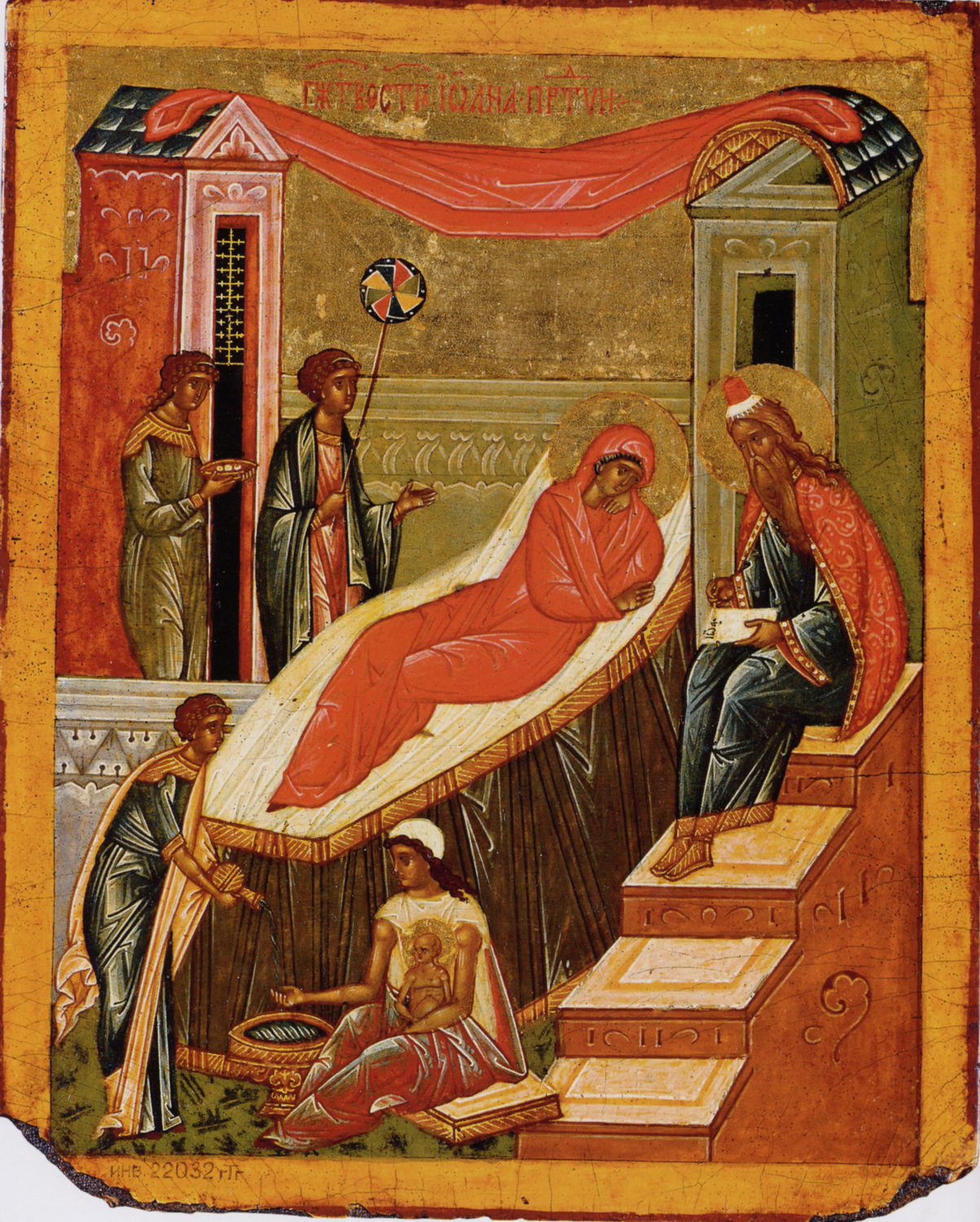
It’s been a while, dear readers. 2025 has been a challenging year and I’ve come around full circle to Advent season once again. Having meditated on Luke 1:5-25,57-66 with Elizabeth and Zechariah as my instructors, here are some lessons I’m learning about hope:
Hope sees your dedication. Hope shows up in your disappointment. Hope speaks God’s declaration concerning your life. Hope celebrates your destiny even before it’s clear to you.
What is peace like? Perhaps peace… …looks like green pastures and still waters. …feels like breeze and sun that caresses just right. …sounds like…
Alas, the Valley of the Shadow of Death is inevitable. When Chaos and Conflict arrive, where can Peace be found? Philippians 4:7 speaks of Peace that transcends all understanding, guarding our hearts and minds in Christ Jesus. This Peace of God is not merely serene. This Peace protects. It doesn’t always protect us from circumstances and hard times. Life still be lifing. Yet in my sanctified imagination, I see Peace on guard within my soul.
Here are some thoughts on practicing the presence of Peace during Advent.
Your Call: How does Peace speak to you in this season? How can you practice its presence?
I can appear calm, yet I know that I can be impatient. I’m the one that scouts out what looks like the shorter line in the store, only to be dismayed when another line moves faster. That kind of wait can be a minor annoyance, but some waits are longer than others. Some waits erode hope. Some waits shed tears.
I haven’t worn a watch in a while. Yet my mindset is often attached to a clock ticking in my head. Chronological time is a tool that helps us to function and organize our days. Yet our eternal God reserves the right to transcend it. If you have experienced some frustration with waiting, I wonder what comes to mind for you when you watch this video. Sit with it for a few minutes.
If you would like to see more about how the above video relates to the Advent season, watch this Invitation to Hope.
Your Call: Reflect on two Greek words for time, which are 1) chronos, which speaks to chronological time, and 2) kairos, which speaks to an appointed time or a due season. How can this understanding prepare you for your wrestling match with time?
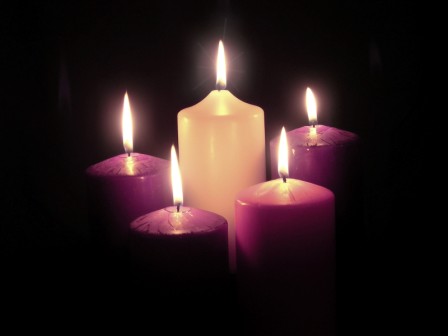
This time of year can be a mix of anticipation and disappointment. Imagine a gathering where joy, grief and fatigue may be sitting in a circle staring at each other and wondering why they were seated at the same table. Advent can be a season to come to terms with all of this while holding on to a glimmer of hope. One of my favorite lines of a Christmas song is from O Holy Night: A thrill of hope, the weary world rejoices. Note that the weariness doesn’t disappear, yet there is joy. The picture below is speaking to me now and I wonder where you might see hope in it.
Your Call: Journal about your reflections on this picture. How does it speak to you?
It was the first Sunday in November. While some were loving the extra hour of sleep, I was mourning the loss of daylight savings time. There was something about the sun going down earlier that felt unsettling but I’m trying to lean into it a little bit to see what I can learn. The darkness is not bad in of itself. It signals our bodies that it is time to sleep and get some rest. Hidden processes that help us and all of God’s creation to rejuvenate and grow take place in the dark. Just because there is no illumination doesn’t mean nothing is happening. I see Winter as a theater that grows dark with an anticipation of what will happen when the curtain opens and the lights on stage come on.
Spring and Summer are my preferred seasons, but lately Autumn and Winter have the most to teach me. Every fall, I am struck by the falling of the leaves from trees. I had already considered the fact that a loss could make room for something new. However, I recently learned that these trees don’t lose their leaves; they actually release them to preserve resources for the winter. When Spring shows up, the branches welcome new leaves. This is a form of resurrection which reminds us that what appears to be dead can show signs of life.
But what if something more drastic happens? What if a tree is cut down? It’s one thing when leaves fall from a tree; it’s another thing when the whole tree falls. At a time when the destiny of God’s people seemed to be cut off, the prophet Isaiah offered hope. The prophecy about the resurrection of that destiny pointed to a stump — a cut-down tree left for dead.
A shoot shall come out from the stump of Jesse, and a branch shall grow out of his roots. Isaiah 11:1
Is there a stump in the forest of your life? That stump could represent your joy, your faith, or your peace. It might point to your health or your finances. Maybe it speaks to the state of your family or community. It would have been easier if nothing remained, but alas the stump reminds you of what has been cut off. You try to forget about it and distract yourself but then, you trip over it. It could be that the stump is your stumbling block to giving up on your destiny. Despite how it appears, a stump can produce growth because the roots are still working underground.
It may seem weird to reflect on resurrection at this time of year, yet I see Advent as a season for sitting with the stumps of life. As we wait for the shoot and the branch to emerge, we can trust that what looks lifeless on the surface still grows under the surface. As hidden and mysterious as this process is, we can anticipate and rejoice in the manifestation that will come.
On that day the root of Jesse shall stand as a signal to the peoples; the nations shall inquire of him, and his dwelling shall be glorious. Isaiah 11:10
Your Call: Is there an area of your life that feels like a stump? Is it possible that God is doing something in that area that you can’t see right now?
When the Lord restored the fortunes of Zion, we were like those who dream. Then our mouth was filled with laughter, and our tongue with shouts of joy; then it was said among the nations, “The Lord has done great things for them.” The Lord has done great things for us, and we rejoiced. Restore our fortunes, O Lord, like the watercourses in the Negeb. May those who sow in tears reap with shouts of joy. Those who go out weeping, bearing the seed for sowing, shall come home with shouts of joy, carrying their sheaves.
Psalm 126 reminds me why worship is so important. In these nightmarish times, we can’t afford to stop dreaming of the goodness that is possible. Worship helps get us there by redirecting our focus toward God, not for escapism, but for the joy and power that comes with a stronger connection to God.
As we stay woke to the reality that is life today, hope must be one of our companions if we are to stay well. Worship gives us space to remember who God is and what God has already done so that we dare to envision a world where love, peace and justice reign.
In painting a picture of an empty riverbed in the desert region of the Negev, this psalm lifts up prayers for reversal and restoration, from dryness to drenching, from sowing in tears to reaping with joy. Can you relate to this shift in your own life?
Worshipping in community gives us an opportunity to rejoice in anticipation of better times as we ask each other, “Can’t you feel a brand new day?!” The song that poses this question is from the soundtrack of The Wiz. It is not a traditional worship song but it speaks to our need to celebrate freedom at its fullest because “it’s like a different way of living now…”
Amazing things can happen when worship links up with work by way of the Spirit of God. Isaiah 61 speaks of One anointed to be a vessel of reversal, bringing good news to the oppressed, binding up the brokenhearted, and proclaiming liberty to the captives. It speaks of a people who have been planted by God for a ministry of restoration, building up and repairing the ruins around them. Will you accept God’s invitation to participate in the divine restoration to come?
Your Call: Watch the videos above; what calls out to you in them? If you painted a picture of a “different way of living” for the world to see, what would it look like and what small step can you take to move in that direction? What are you being anointed to do in God’s process of restoration?
A voice cries out: “In the wilderness prepare the way of the Lord, make straight in the desert a highway for our God.” Isaiah 40:3 (NRSV)
A voice says, “Cry out!” And I said, “What shall I cry?” All people are grass, their constancy is like the flower of the field. The grass withers, the flower fades, when the breath of the Lord blows upon it; surely the people are grass. The grass withers, the flower fades; but the word of our God will stand forever. Isaiah 40:6-8 (NRSV)
“I have baptized you with water; but he will baptize you with the Holy Spirit.” Mark 1:8 (NRSV)
What does it look like to prepare a path for the Lord in this wilderness we find ourselves in at the end of 2017? Honestly I’m too weary to figure this out and should know better than to try. If I could interview John the Baptist, I would ask him, “How do we cry out to those who deny their own fragility and mortality?” I can’t hear his answer, but the Gospel writer Mark reports that he told the people that Jesus would baptize them in the Holy Spirit.
In the desert, there is a scorching breeze that can stifle our breath. We can’t cry out to prepare the way of the Lord if we can’t breathe. Our only hope right now is the Breath of God, which makes the first move in preparing a path in our minds and souls so that we hear the word that we need and can act on it with the power we need. This is a season to breathe more deeply than ever before.
Your Call: What spiritual practice would help you make room for the Breath of God to give you the Word and Power you need to discern and fulfill your assignment in this season? Some options may be to offer a prayer like the video above, to allow for more silence and solitude, or to simply take time to breathe deeply as a reminder that the Spirit of God is present.
O that you would tear open the heavens and come down. Isaiah 64:1a (NRSV) Restore us, O God; let your face shine, that we may be saved. Psalm 80:3 (NRSV)
These are desperate times.
Sexual assault and harassment exposed.
Slave auctions in Libya.
A cruel tax bill that favors the rich.
These are desperate times, so we cry “O Come O Come Emmanuel!”
And we wait for righteousness and justice to prevail.
If we prayed hard enough, would God step out of the sky to confront and correct all injustice with a divine wave of the hand? We could pray along with the Psalmist who says:
“Restore us, O God, let your face shine, that we may be saved.”
But would we know what we are actually praying? The loving luminous gaze of God is an amazing thing, but is nothing to be played with. It guides our steps and infiltrates our souls. It encourages but it also exposes. This is the road to restoration, but will we take that journey?
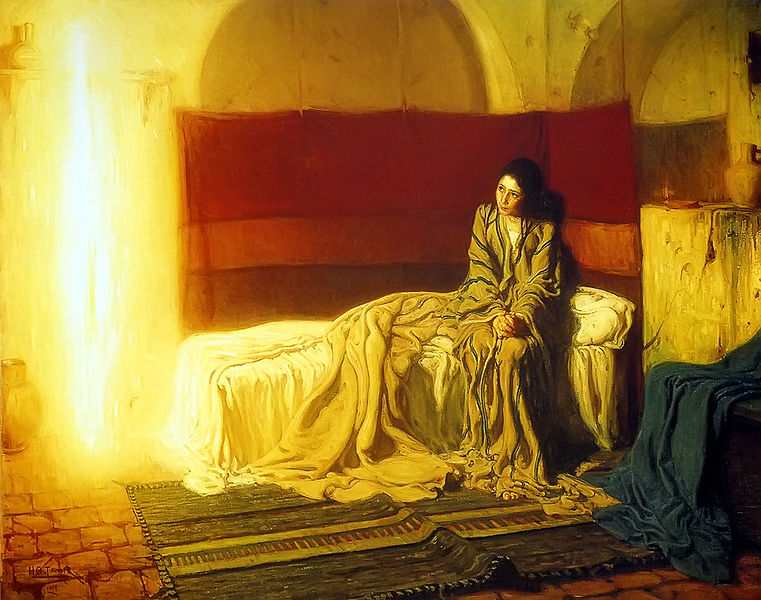
Perhaps there is another plan at work to answer our prayers, like when Jesus came down as the Incarnate God, not by stepping out of the sky but by showing up in the womb of a young woman from Nazareth.
In the midst of unchecked abuse of power and its consequences, Advent asks us:
Who will we be and what will we do on Christ’s behalf?
Your Call: How are you being called to represent Christ during these troubling times as Advent begins?
Recently, I attended a surprise birthday party and over the speakers, I heard a melody
that was vaguely familiar. Beyonce was singing Get Me Bodied. Apparently the song had been released a few years ago, but I didn’t take notice of it at that time. At its most basic level, Get Me Bodied is an infectious dance song, so I could leave it at that. But I won’t, mostly because I’m on a quest to feel more aware of and at home in my own body. As easy as Bey makes it look (at least in the video), walking in the psalmist’s declaration of being fearfully and wonderfully made often takes some soul work.
I have fond memories of family gatherings when I was a child and much less self-conscious. We would get together and do the Bump and the Bus Stop. (Yes, I’m dating myself.) And when the Jackson Five’s Dancing Machine came on, all of us kids stopped what we were doing and started in on the Robot. Every year around this time, I enjoy my ritual of watching the dance scene from A Charlie Brown Christmas. When I watch those lovable characters in the Peanuts gang, I am struck by their exuberance and their comfort with moving in their own rhythms. Some are on beat; others are off. None of them care one way or the other. All of them are having a great time.
As I strive to befriend my body, things get complicated when it doesn’t cooperate. While I feel blessed to be relatively healthy, I do have some issues that give me pause and remind me of the need to be vigilant. What happens when your body seems to turn against you? An OB/GYN answered this question in a revolutionary way right before she had a double mastectomy. I looked at her video again and remembered where I heard Get Me Bodied before.
Sometimes I wonder how Jesus experienced his own body, especially before his public ministry. Did he ever feel unattractive or awkward as a teenager? Did he get sick or have to watch sick people suffer and die? If he did, perhaps he recalled a previous conversation that he had in another space in eternity. A conversation amidst the Holy Trinity’s lament over a fallen world where he spoke up and said “Get Me Bodied.” Actually, he hasn’t stopped saying it. He continues to say it to you and me.
In the beginning was the Word, and the Word was with God, and the Word was God. The Word became flesh and made his dwelling among us. We have seen his glory, the glory of the one and only Son, who came from the Father, full of grace and truth. John 1:1,14 (NIV)
Your Call: Take some time to watch the videos. How do they make you feel? How would you describe your relationship with your body? In what sense might Jesus be telling you “Get Me Bodied?”