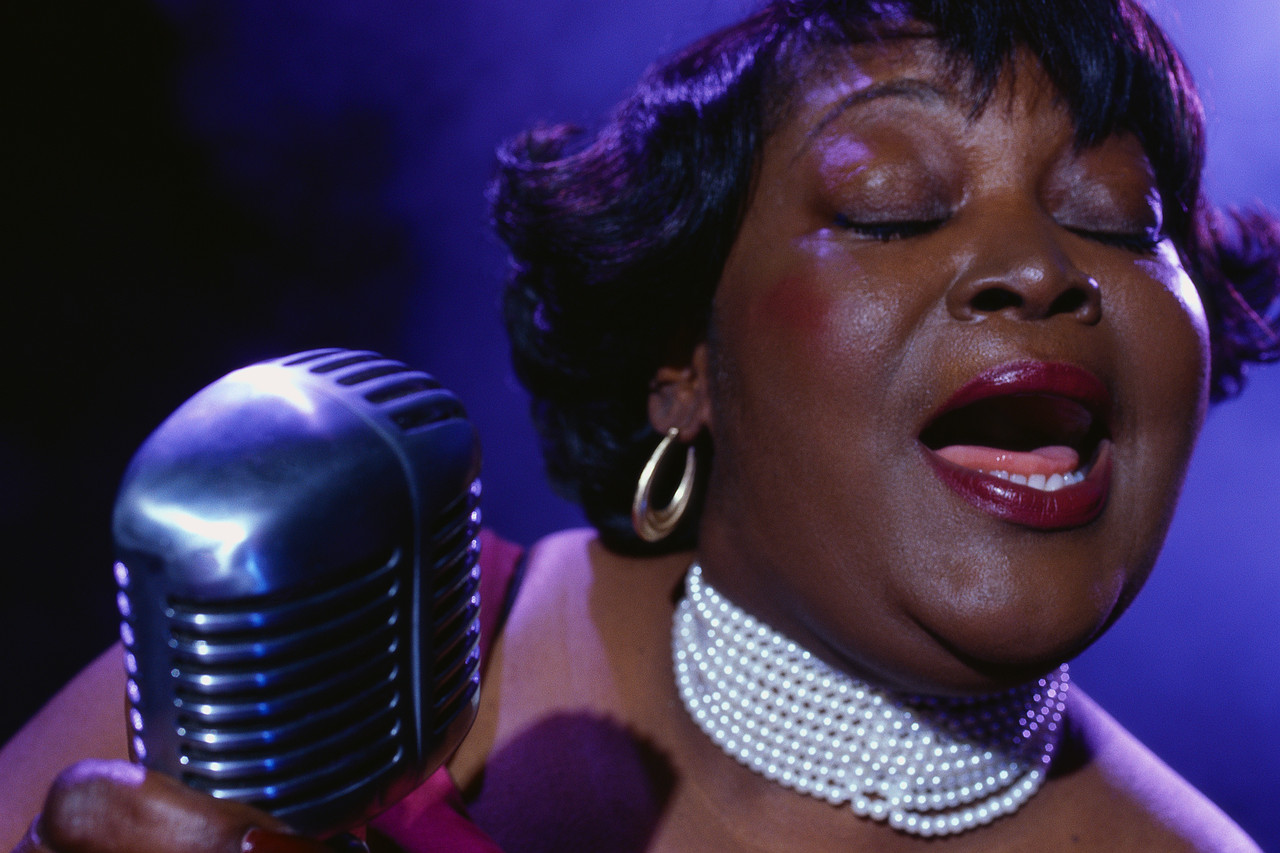
This past summer, I saw the movie “Respect” and was struck by what Aretha Franklin endured and how she persevered. She had recorded numerous albums for Columbia Records, but none of them seemed to capture her unique sound. Then Aretha went to Atlantic Records where she composed more of her music, accompanied herself on piano, and recorded at the off-the-beaten-path Muscle Shoals studio in Alabama. In “Respect”, there was a scene with Aretha being interviewed during a recording; she said that she was still trying to find her voice. Wondering whether this happened or was dramatized, I searched YouTube and found video clips from the actual recordings. In one of them, Aretha indeed said:
“I still have to find out who and what I really am. I don’t know yet. I’m trying to find the answer.”
I was amazed that this was coming from the mouth of the future Queen of Soul. Aretha already had a powerful singing voice but she was searching for more. It was fascinating to watch this process unfold. She found the space needed to bring her full self to recording. Yet, she would have to deal with those who profited from her voice at the expense of her personhood.
Over the years, these actions have helped me navigate finding voice on my own journey.
Recognizing uniqueness. Ironically, when I first became licensed to preach, I felt like I lost my voice as I felt inadequate compared to those around me. I had to break free of my own rigid sense of what a preacher should sound like. Celebrating myself as a beloved and called daughter of God, a lover of books, music and poetry, and one who is curious, creative, and contemplative empowers me to speak up in my most authentic and powerful voice.
Receiving from others. I’m grateful for my parents and family who spoke into my life before and after I was born. I appreciate my pastor and other trailblazing clergy who have helped me hone my voice. I glean from the legacy of courageous women in Scripture and throughout history.
Remembering that voice is connected to a person. Voice shows up in preaching, singing, speaking and writing, but it is not a product. Voice is an extension of being and living in communion with God, yourself and others who love you for who you are and encourage you to be your best true self.
Your Call: Watch the excerpt from National Geographic’s “Genius: Aretha”. What stands out to you about it? What lessons are you learning about your voice in this season?